Hydro Excavation
When protecting underground gas, fiber, and water lines matters more than speed, hydro excavation uses pressurized water and vacuum recovery for a clean, controlled dig that greatly reduces the risk of strikes.
What is Hydro Excavation?
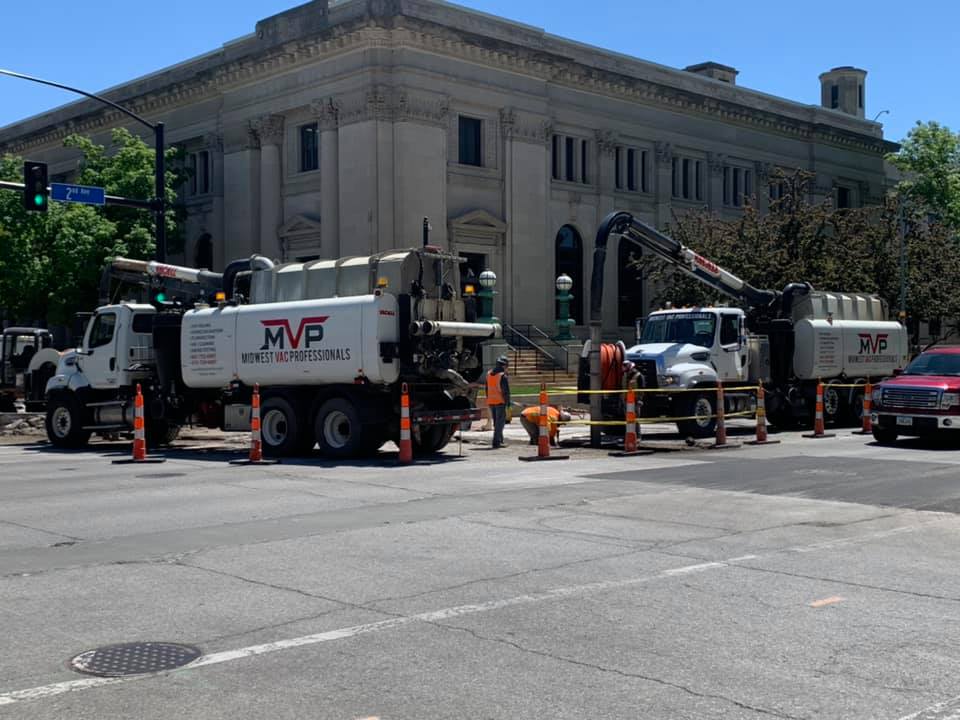
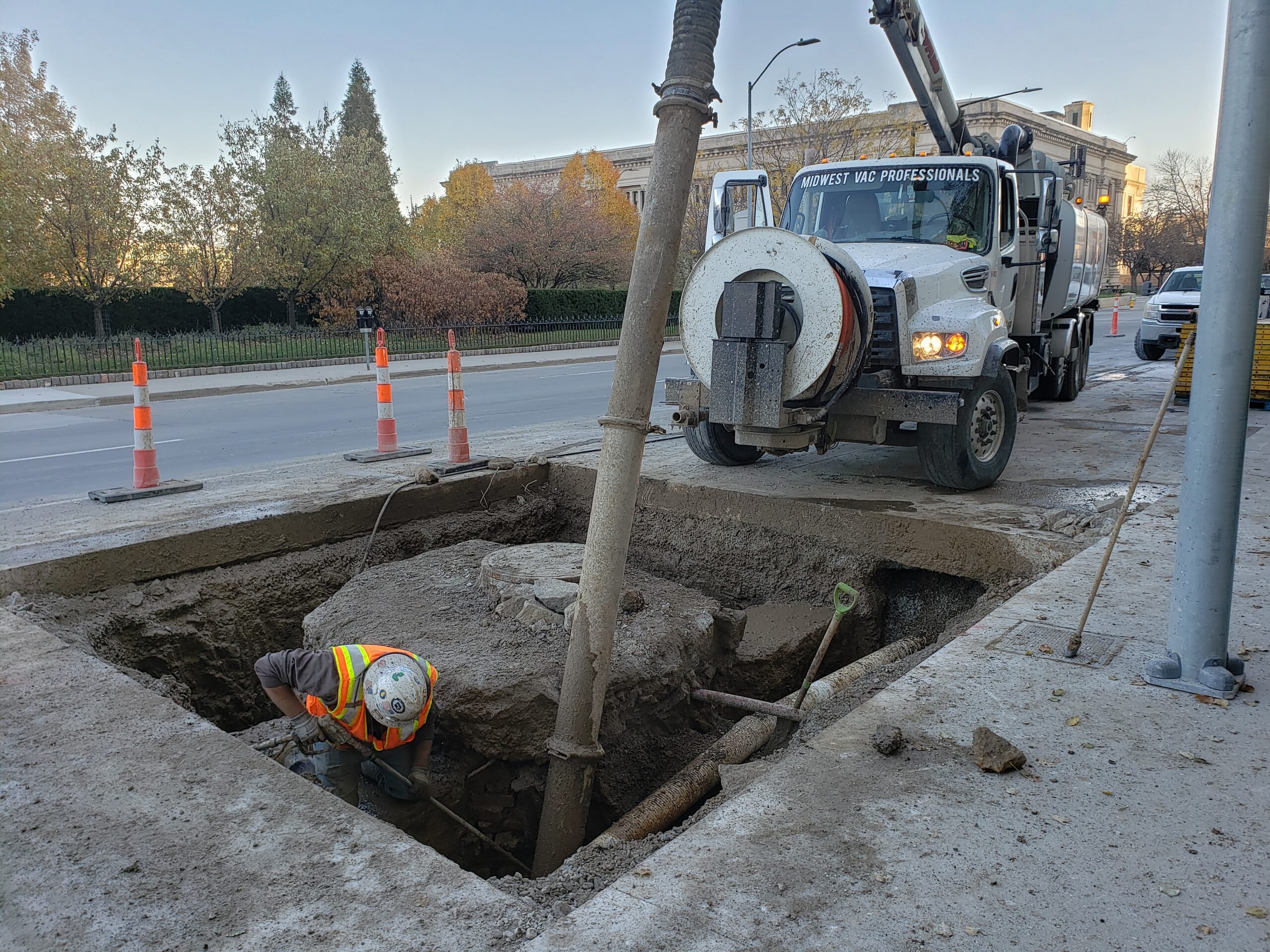
Hydro excavation uses pressurized water to break up soil and a high-powered vacuum to lift the spoils into a debris tank.
The result is a clean, controlled hole that greatly reduces the risk of striking a gas line, fiber bundle, or water main. It’s the standard method for utility locating, daylighting, and any dig where what’s underground matters more than how fast you move dirt.
When hydro is the right call:
- Utility daylighting and potholing before excavation
- Trenching around fiber, gas, water, and electrical lines
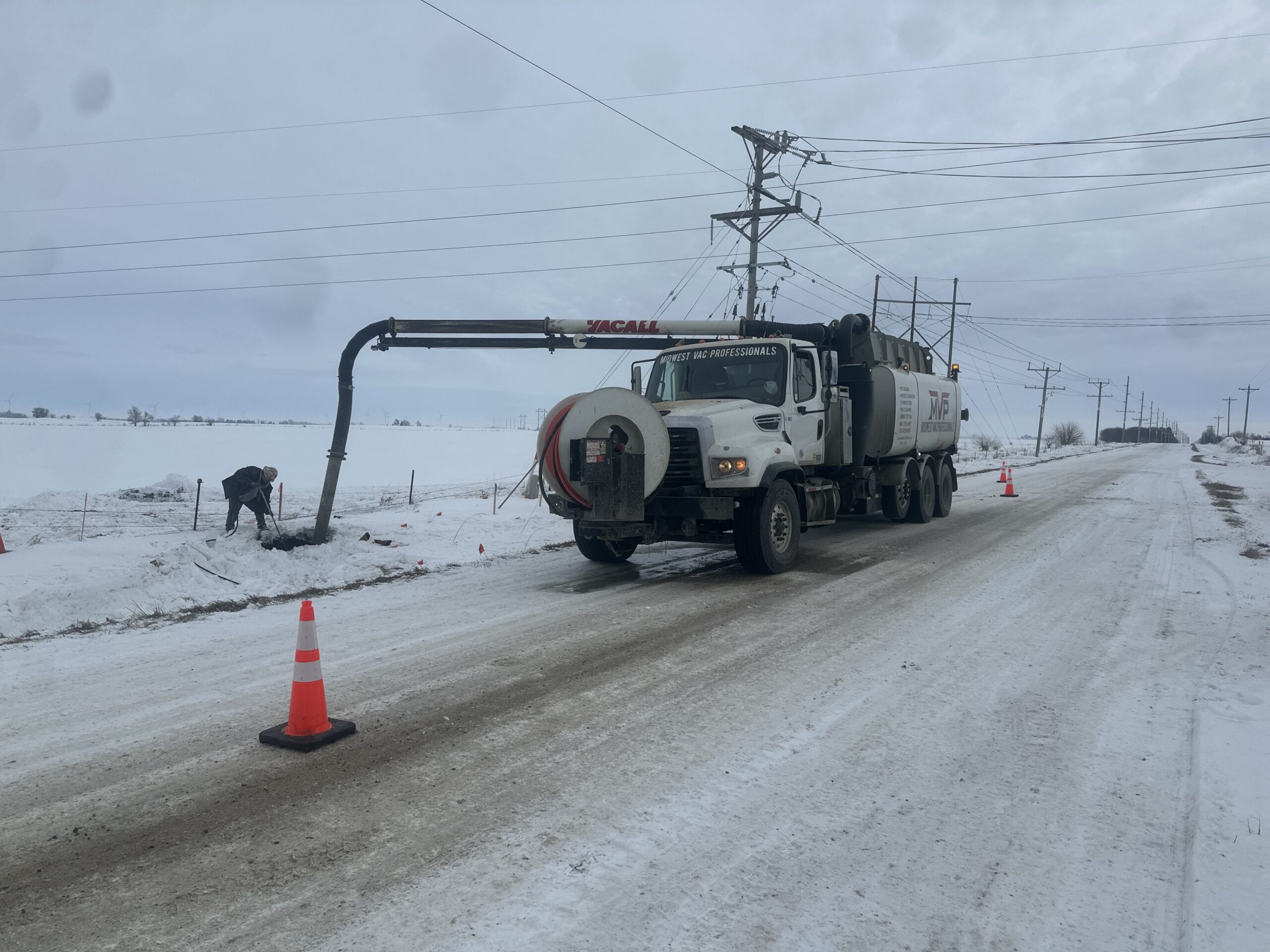
- Cold-weather digging in frozen ground
- Slot trenching for utility installation
- Debris removal from valve boxes, vaults, and catch basins
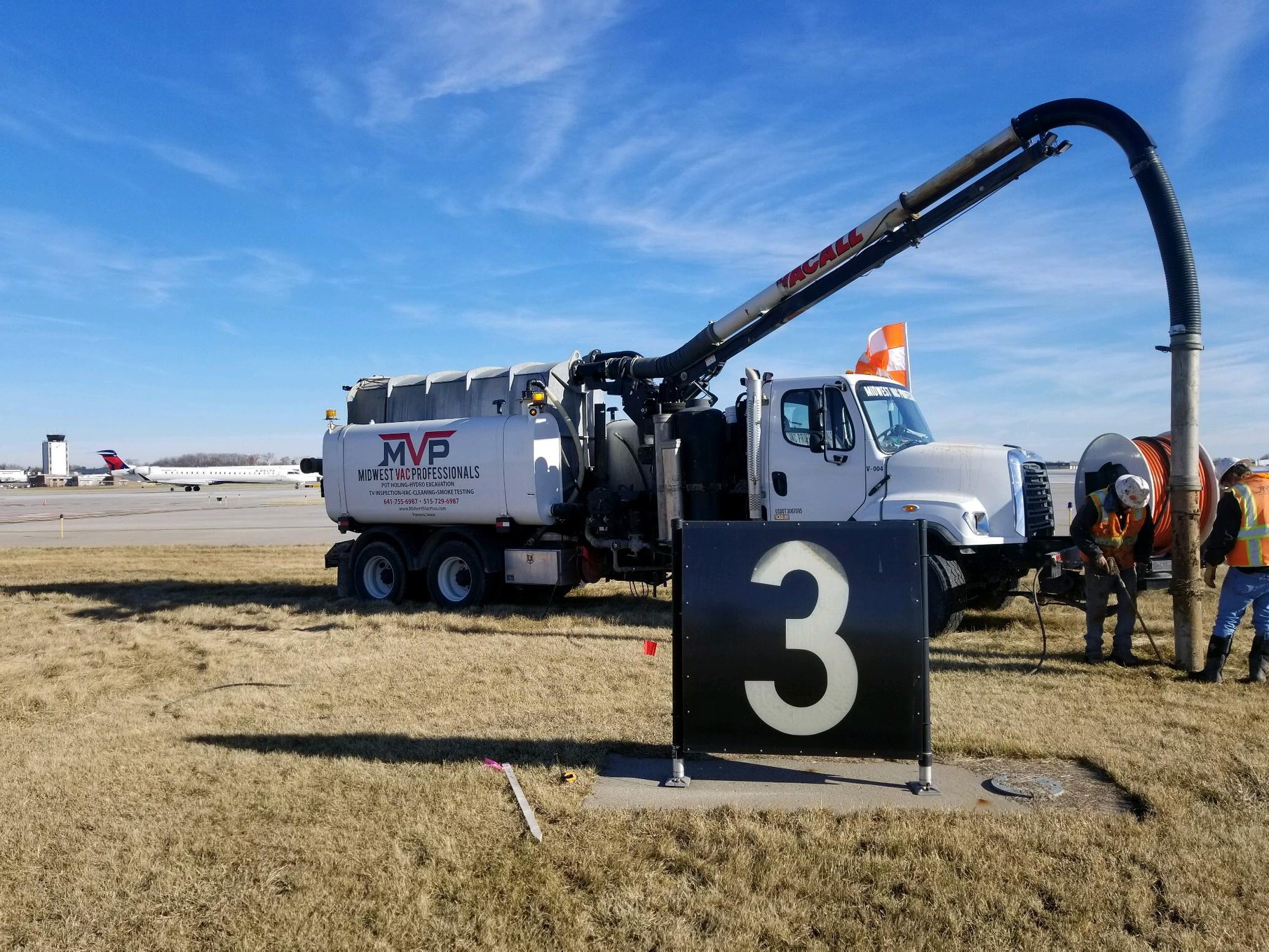
- Sign and pole base excavation
- Emergency utility strike response
- Tight-access work where mechanical equipment won’t fit